


Intro
TL;DR
Microsoft CEO Satya Nadella recently proposed that the future firm will be built on two forms of capital: human capital and "token capital"-the AI capabilities organizations develop and own.
While much of the discussion has focused on AI models, the more important idea may be something else entirely: the learning loop that connects people and AI. If organizations can continuously capture, apply, and improve knowledge through these learning loops, then learning itself may become one of the most valuable assets on the balance sheet.
The question is no longer whether AI will change work. The question is whether organizational learning is becoming a new form of capital.
When Satya Nadella writes that "the future of the firm is the ability to compound that learning across people and AI," he is making a much bigger statement than many people realize.
Most AI discussions focus on technology.
Which model is best?
Which agent framework should we use?
How many tasks can be automated?
Nadella's argument is different.
He suggests that the real value does not come from the AI model itself. Instead, it comes from the organization's ability to create a learning loop where human expertise and AI capabilities continuously improve one another.
This shifts the conversation from intelligence to learning.
And that distinction matters.
Source:
Chairman and CEO at Microsoft

The Model Is Not The Asset
Historically, competitive advantage often came from proprietary technology.
In the AI era, access to technology is becoming increasingly democratized.
Many organizations can access the same frontier models.
As Nadella notes, companies should be able to swap one general-purpose model for another without losing the expertise embedded in their systems.
If that is true, then the model itself is not the asset.
The asset is whatever remains when the model changes.
That "something" is the organization's accumulated knowledge, experience, judgment, and learning.

The Rise of a New Capital Class
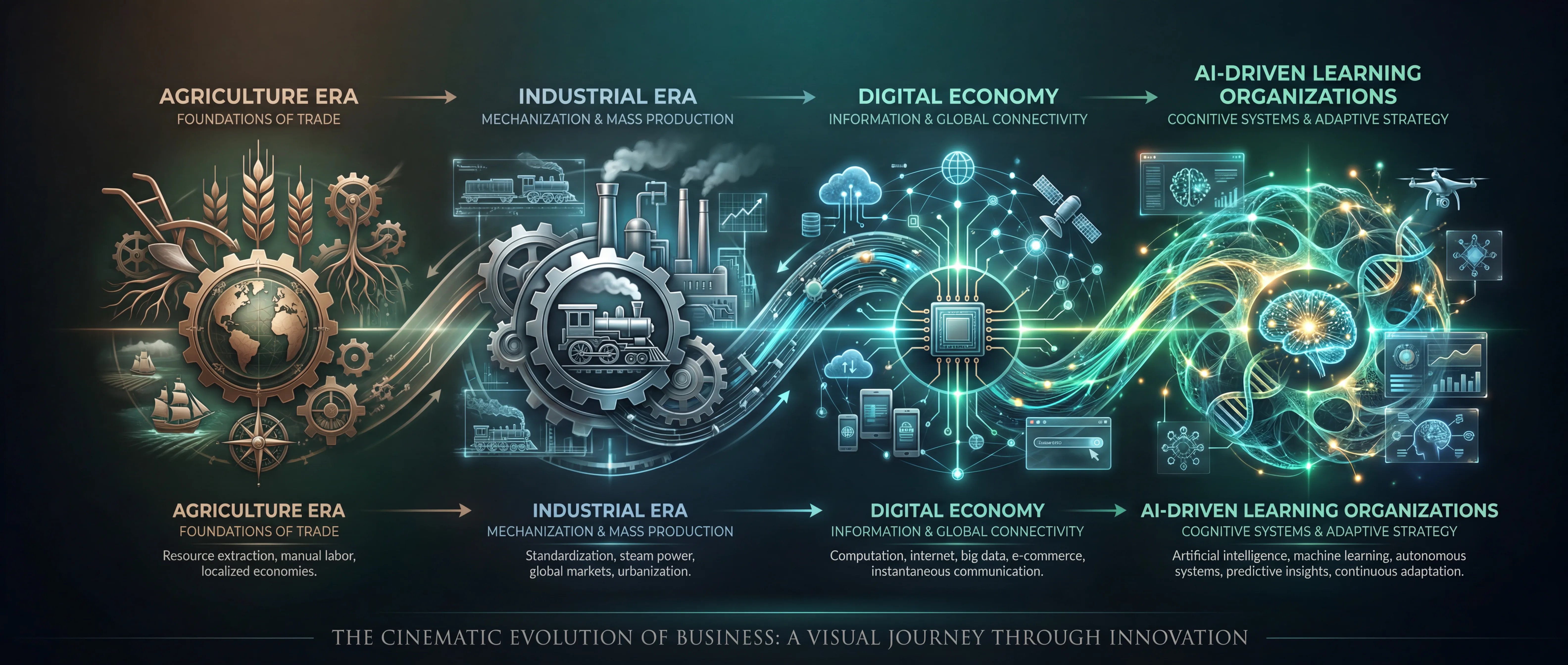
Business history can be viewed through the lens of asset classes.
Agricultural economies were built on land.
Industrial economies were built on physical capital.
The information age elevated financial assets, software, anddata.
The AI era may introduce another category entirely.
Learning capital.
Not simply information.
Not documents.
Not databases.
But the organization's ability to continuously transform experience into better decisions and better outcomes.
This is what Nadella appears to mean when he describes the learning loop as "the new IP of the firm."
A Question Few Organizations Can Answer
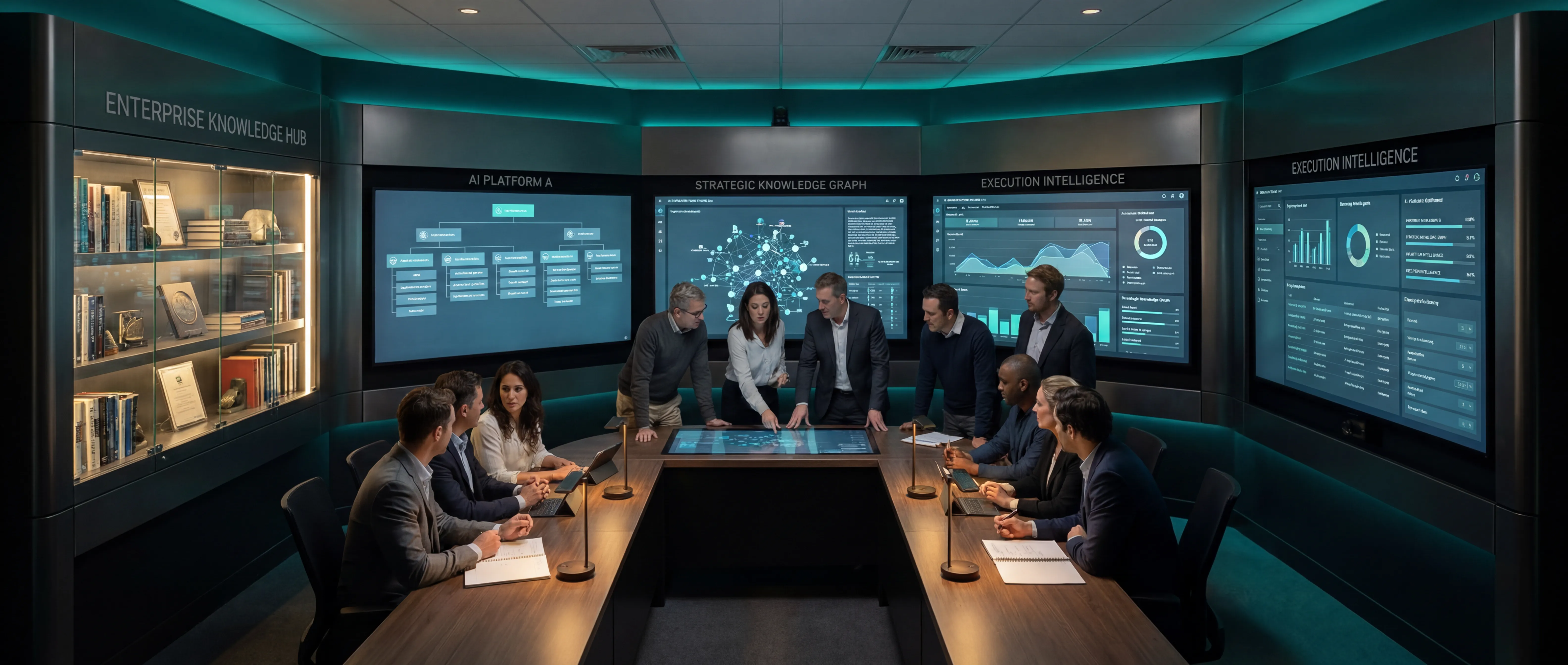
If learning becomes an asset, a natural question follows:
How do you manage it?
Most organizations can produce detailed reports on their financial assets.
They can inventory physical assets.
They can track workforce metrics.
Yet very few can explain:
- How knowledge is created.
- How expertise evolves.
- Which decisions generated better outcomes.
- How organizational learning compounds over time.
These questions become increasingly important as AI systems participate in more of the work of the enterprise.
The Future May Belong To Learning Organizations
The most successful companies of the next decade may not be those with access to the most powerful AI.
Those capabilities will become widely available.
Instead, the winners may be the organizations that become exceptionally good at capturing, preserving, and compounding learning.
In that world, AI is not the destination.
It is the accelerator.
The true asset is the organization's ability to learn fasterthan its competitors.
And that may become one of the defining business advantagesof the AI era.